News & Articles

GentryPet Technical Deep Dive: The “Tactical Insulation” Garment Engineering for Single-Coated Dogs in North American Ice Belts
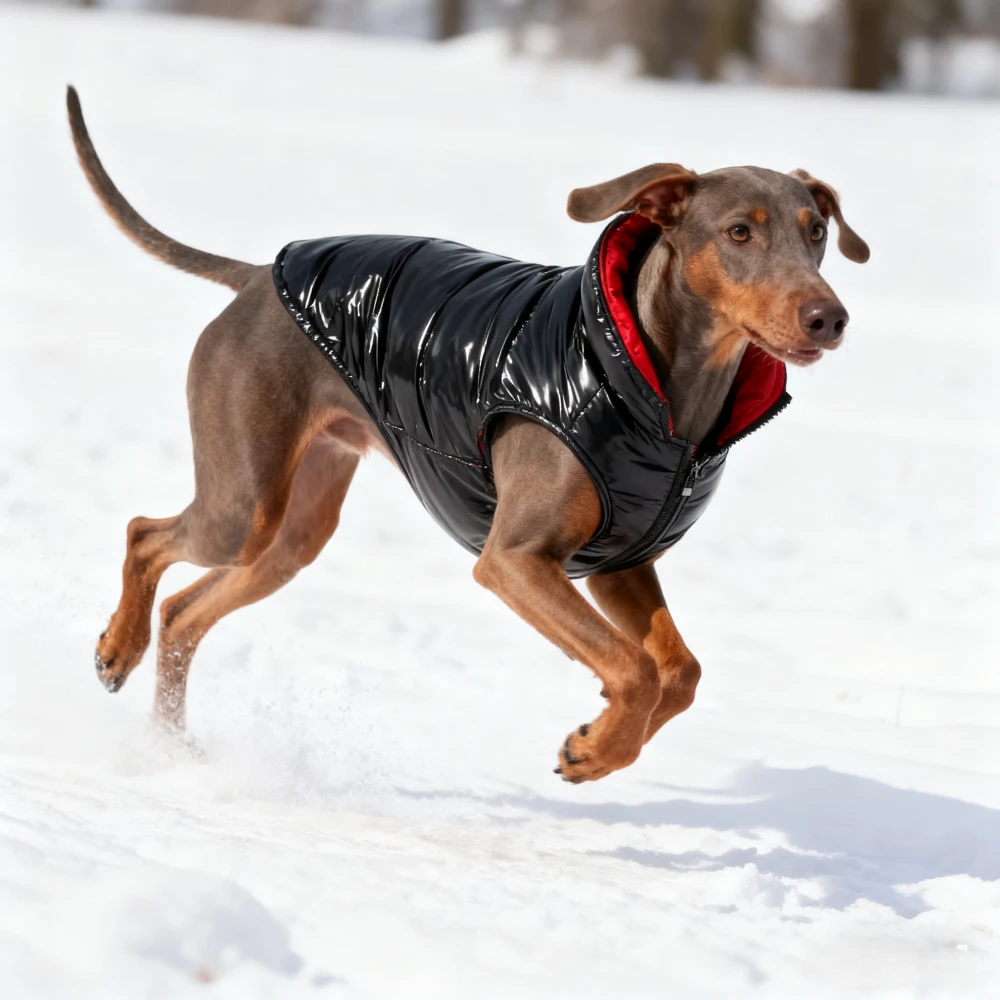
Vizsla or Greyhound wearing technical winter coat running in snow, demonstrating North American Short-Haired Dog Coat Technology

In the harsh winter climates of Canada and the northern United States (e.g., Minnesota, Colorado, New England), rigorous pet care demands exceed basic warmth. For single-coated dogs (like Whippets, Greyhounds, Dobermans, Bulldogs), which inherently lack the physiological structure to resist extreme cold, insulated apparel has transitioned from a mere "pet fashion" item to a medical necessity for maintaining core body temperature and preventing environment-induced illnesses.

I. Cold Weather Physiology: Why Short-Haired Dogs Are High-Risk for Heat Loss

To devise an effective insulation strategy, we must first understand the thermoregulatory deficits of single-coated breeds.

A. The Primary Insulating System Deficit

  • Guard Hair Limitations: These breeds lack the fluffy, air-trapping undercoat, which is the engineering foundation of insulation. They possess only stiff, smooth guard hairs, whose primary role is water shedding and physical protection. Their Thermal Conductivity Coefficient is high, providing virtually no meaningful insulation.

  • High Surface Area-to-Volume Ratio: Many short-haired dogs, particularly sighthound types, have lean, long bodies resulting in a high SA:V ratio relative to their body mass. According to heat transfer physics, the rate of heat loss is directly proportional to the surface area. This makes them lose heat significantly faster than stockier breeds (like Nordic dogs) in the same cold environment.

  • Minimal Subcutaneous Fat Stores: Performance-oriented short-haired dogs have minimal subcutaneous adipose tissue. Fat is both a natural insulator and energy reserve. A lack of this layer means their internal "fuel" is rapidly depleted, drastically increasing the risk of Hypothermia (core body temperature drop).

II. Apparel Engineering: The Three-Layer Design and Technical Specifications

To counter North American wind chill and snow moisture, pet clothing must meet the standards of functional outdoor gear. We focus on synthesizing the Layering Principle into one high-performance tactical coat.

A. The Shell Layer: Windproof and DWR Treatment

The outermost layer must prioritize wind resistance over bulk.

  • Technical Spec: Utilize high-density woven nylon or polyester fabrics, treated with a Durable Water Repellent (DWR) finish, or incorporating a Waterproof/Breathable membrane (PU/TPU).

  • Countering Wind Chill: Wind chill accelerates heat loss via Convective Heat Transfer. A windproof material creates an air barrier, effectively shutting down this mechanism.

B. The Insulation Layer: Fill Power and Wet Performance

The insulation layer is critical for capturing and sustaining the dog's endogenous heat.

  • Synthetic Fill: Highly recommended materials include high-performance synthetic fills like Thinsulate or Primaloft. The key advantage of these materials is their ability to maintain high insulation efficiency even when wet or damp. This is crucial for pets playing in snow.

  • Fleece Liners: High-density fleece ( $250\text{g/m}^2$ and above) is an excellent, lightweight insulator, but must be paired with sufficient outer wind protection.

C. Coverage Engineering: Targeted Protection for Key Radiating Zones

A professional coat must protect areas often neglected by conventional designs.

  • Thoracic and Abdominal Coverage: The chest and groin are critical heat radiating zones where blood vessels are close to the skin. The coat must extend to the anterior groin region to protect the abdomen from Contact Conduction with frozen ground, ice, and slush.

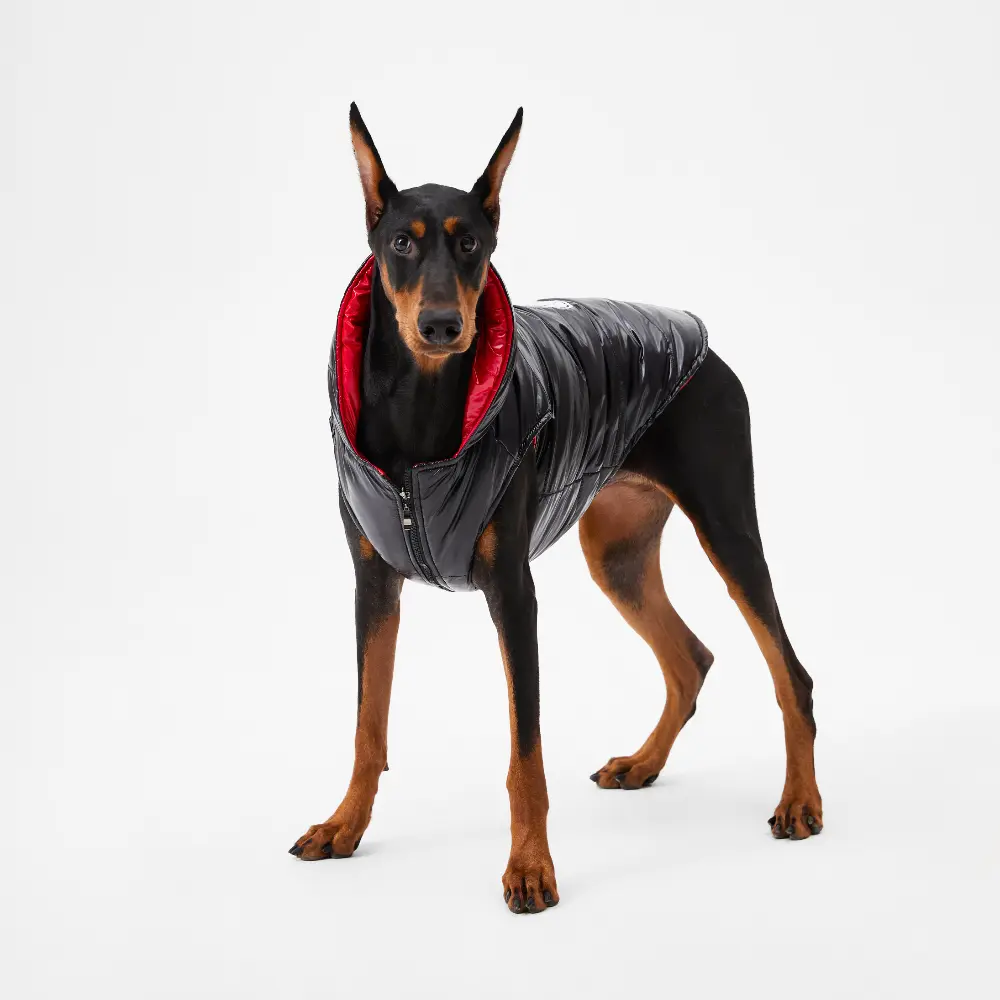
  • High Collar and Neck Protection: Significant heat can be lost through the neck and along the spine. High-collar designs or integrated neck gaiters are vital.

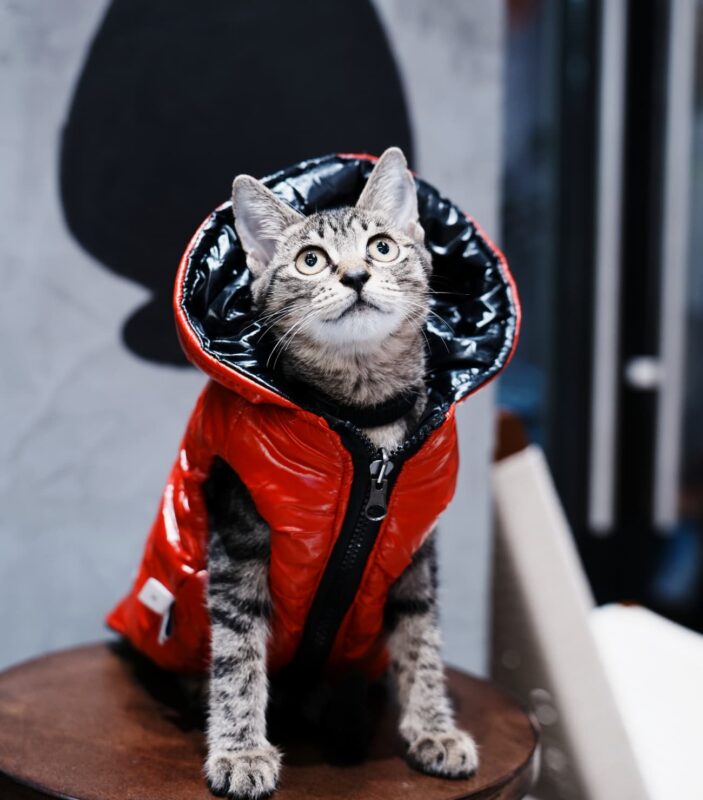
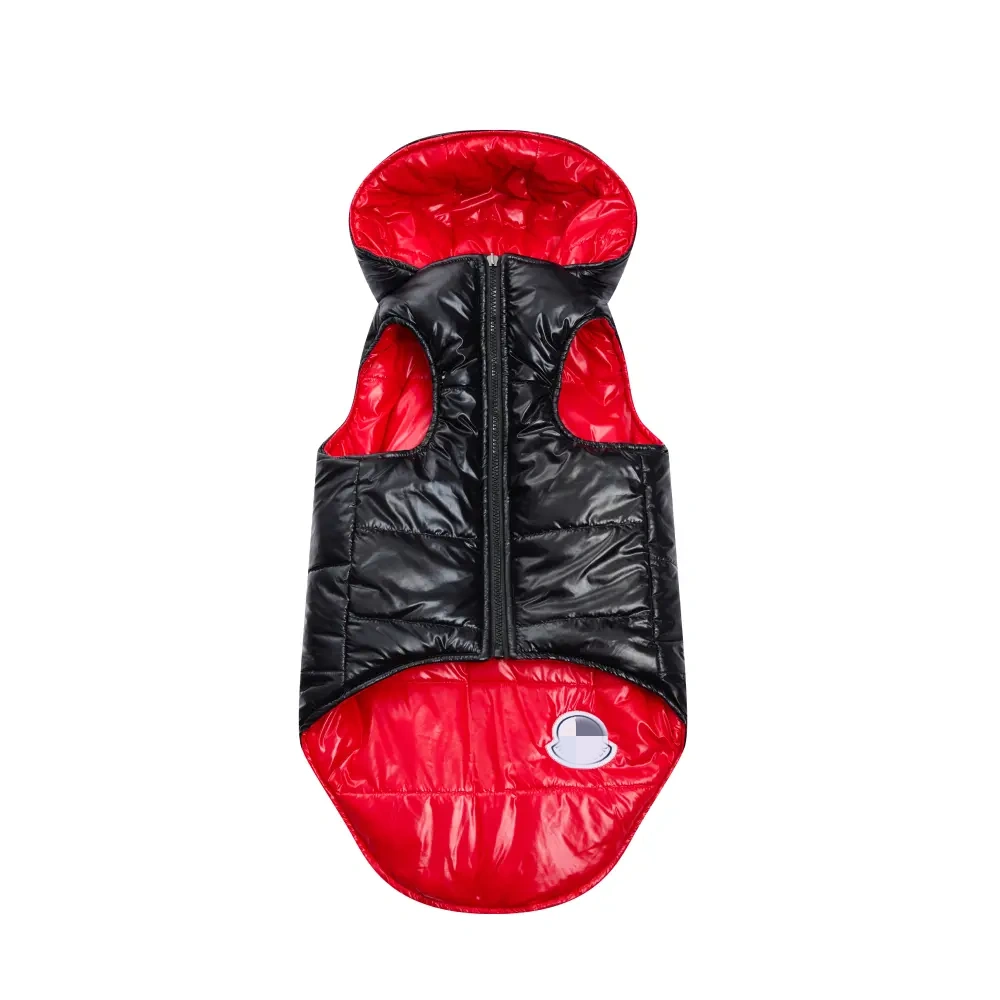
Reversible Moncler down jacket10

III. Extreme Environment Application: Paw Protection and Chemical Warfare

In North American and Canadian urban areas, snow is often the secondary threat; corrosive road de-icing chemicals are the primary health hazard.

A. Guarding Against De-Icers and Frostbite (Paw Protection Strategy)

Road salts (Sodium Chloride) and Calcium Chloride used by city maintenance create a cold, corrosive solution that can inflict Chemical Burns on paw pads, leading to pain and cracking.

  1. High-Top Traction Boots:

    • Requirements: Boots must feature a waterproof, durable upper, and a non-slip rubber sole for traction on ice.

    • Retention Mechanism: Must employ high-set Velcro or double-fastener systems to prevent loss in deep snow.

  2. Protective Paw Wax: When boots are impractical, applying a professional beeswax or mineral oil-based wax creates a hydrophobic physical barrier on the paw pads, insulating them and preventing direct contact with de-icing agents.

B. Indoor and Environmental Heat Management

Managing Conductive Loss: Ensure the dog’s resting area is away from cold windows or direct contact with cold surfaces like tile or concrete. Provide elevated beds or pads with self-warming liners or memory foam to mitigate conductive heat loss from the floor.

GentryPet Conclusion:

Insulating short-haired dogs is a precise action based on physiology and engineering. Choosing an outerwear piece that meets the standards of windproof, insulation, and high-coverage is the critical step to ensuring the safety and health of your pet in the unforgiving North American winter environment.

Leave a Reply

Your email address will not be published. Required fields are marked *