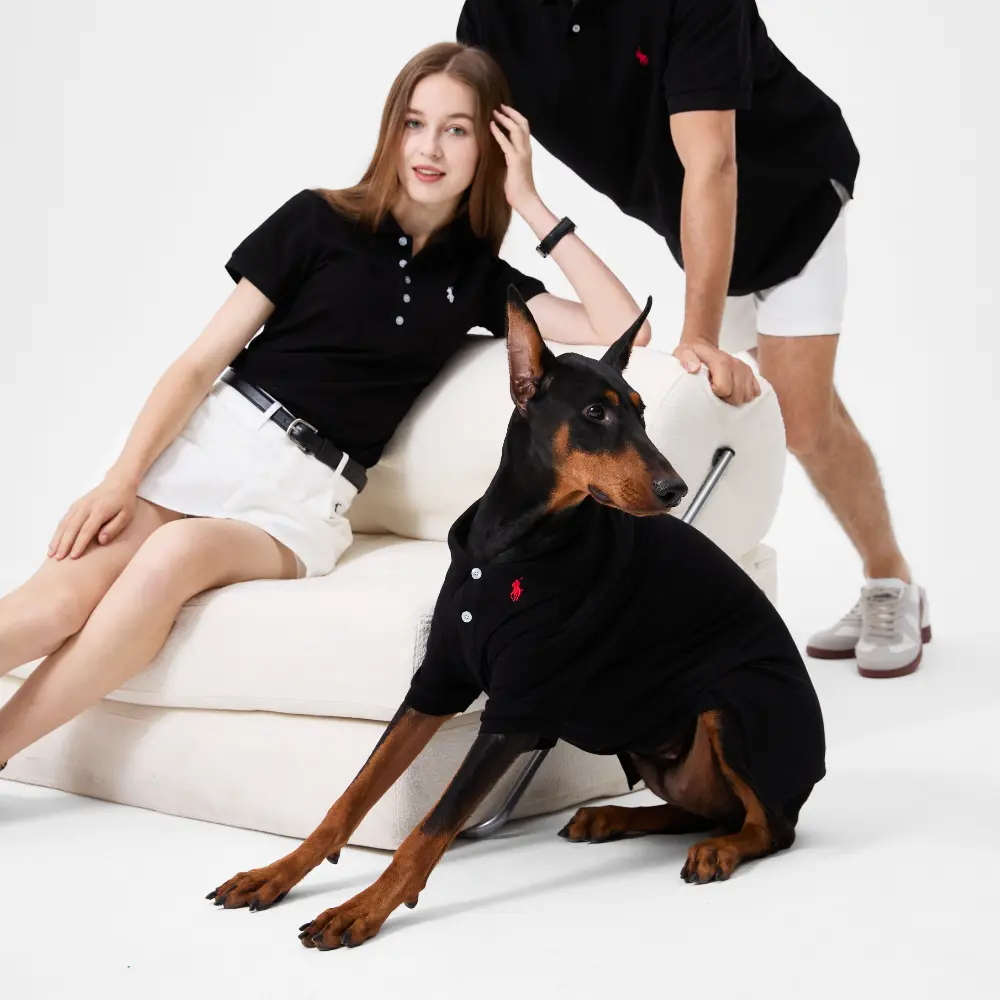
How to keep short-haired dogs warm? A Scientific Guide to Insulated Care
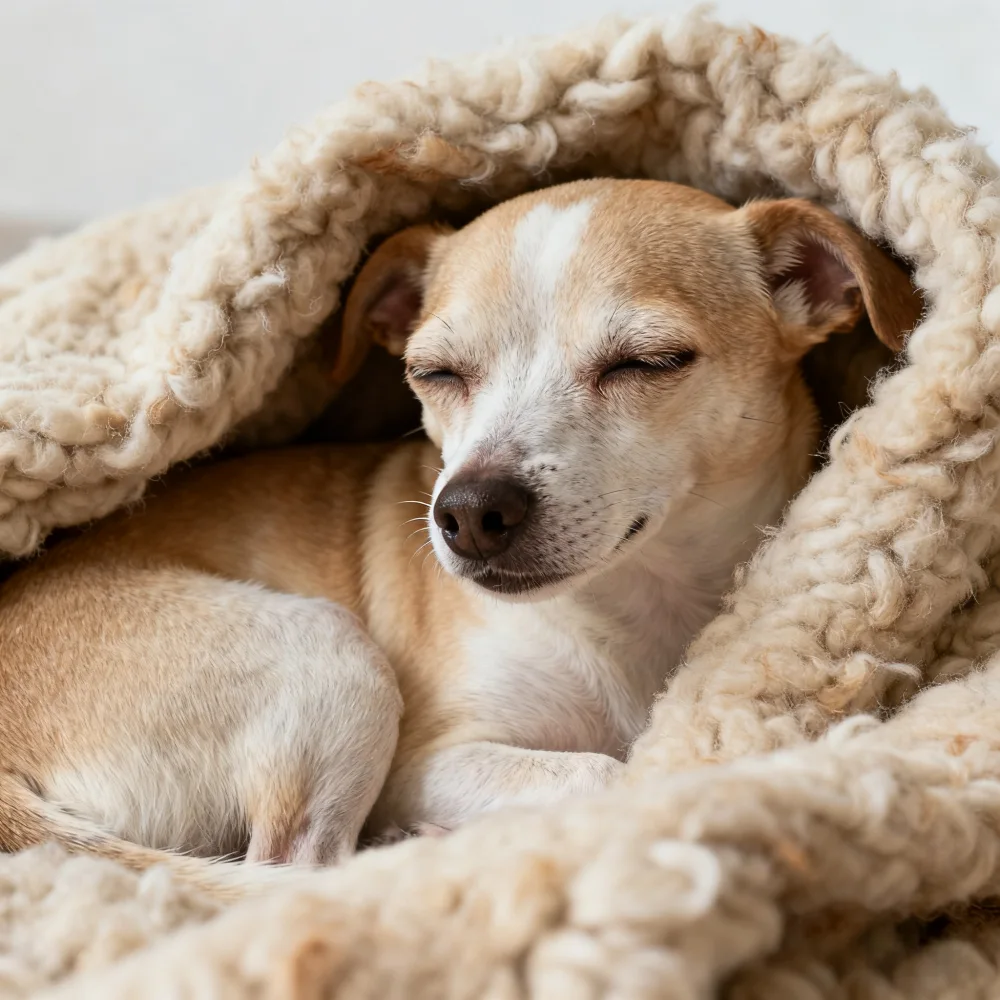
As the cold wind howls and we bundle up in our heavy coats, do you notice your short-haired "nobles" (like Chihuahuas, Whippets, Dobermans, or Bulldogs) curled up in a corner, their little bodies gently trembling? That feeling of pity and heartfelt concern when you see them cold is something every loving owner deeply understands.
This isn't merely about them being "sensitive to cold"; it's fundamentally about their physiological structure. Let's set aside product recommendations and use genuine empathy and scientific analysis to understand how to truly warm their hearts and bodies.
I. 💔 Why Do They Get Cold? — The "Absence of Love" in the Single Coat
A short-haired dog feeling cold is not a sign of fragility, but rather a structural inherent deficiency in their natural cold-weather gear.
A. The Absence of Natural Insulation
Unlike sled dogs or herding breeds, short-haired dogs typically possess a Single Coat.
The Missing Undercoat: The key to fighting the cold lies in the Undercoat. This short, crimped fur traps warm air emitted by the body, forming a stable, highly efficient insulating air cushion. Short-haired dogs lack this crucial layer or have a sparse one. Their single layer of sleek Guard Hair is designed for water shedding and protection, offering almost no thermal insulation.
The Price of Low Body Fat: Many short-haired dogs, especially lean Sighthounds, possess very little subcutaneous adipose tissue (fat) in their pursuit of speed and elegance. Fat is the body's natural "down jacket" and energy reserve. Without it, heat is rapidly lost from the skin surface without impedance.
B. Heat Dissipation Dictated by Physics
The leaner or smaller your dog is, the colder they will feel—a phenomenon governed by the High Surface Area-to-Volume Ratio.
Heat Loss Accelerator: Relative to their body weight, they have a larger exposed body surface area. This causes their heat dissipation rate to far exceed that of stockier breeds. They act like a radiator, quickly releasing their internal warmth into the cold air.
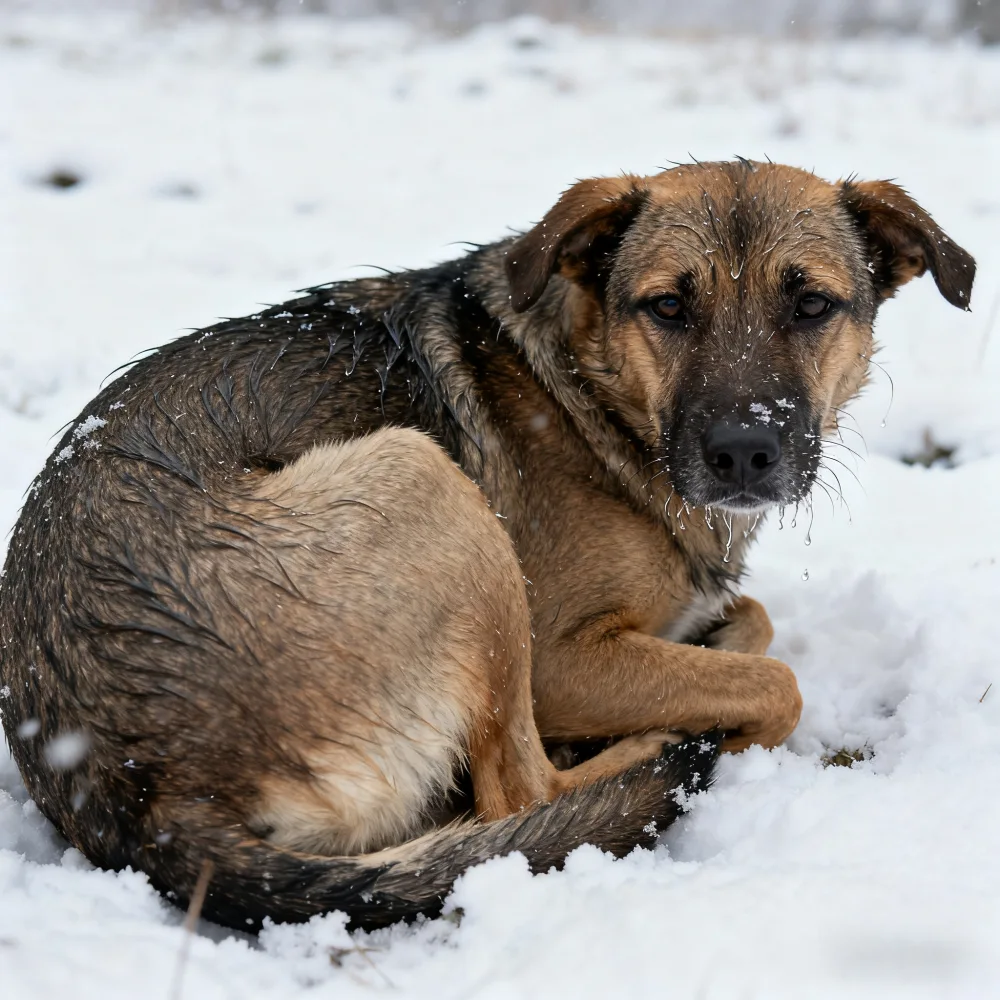
II. 🛡️ How to Scientifically Insulate? — Rebuilding Their Protective Shield
Since nature didn't provide sufficient protection, we must use love and technology to establish an effective insulation system for them.
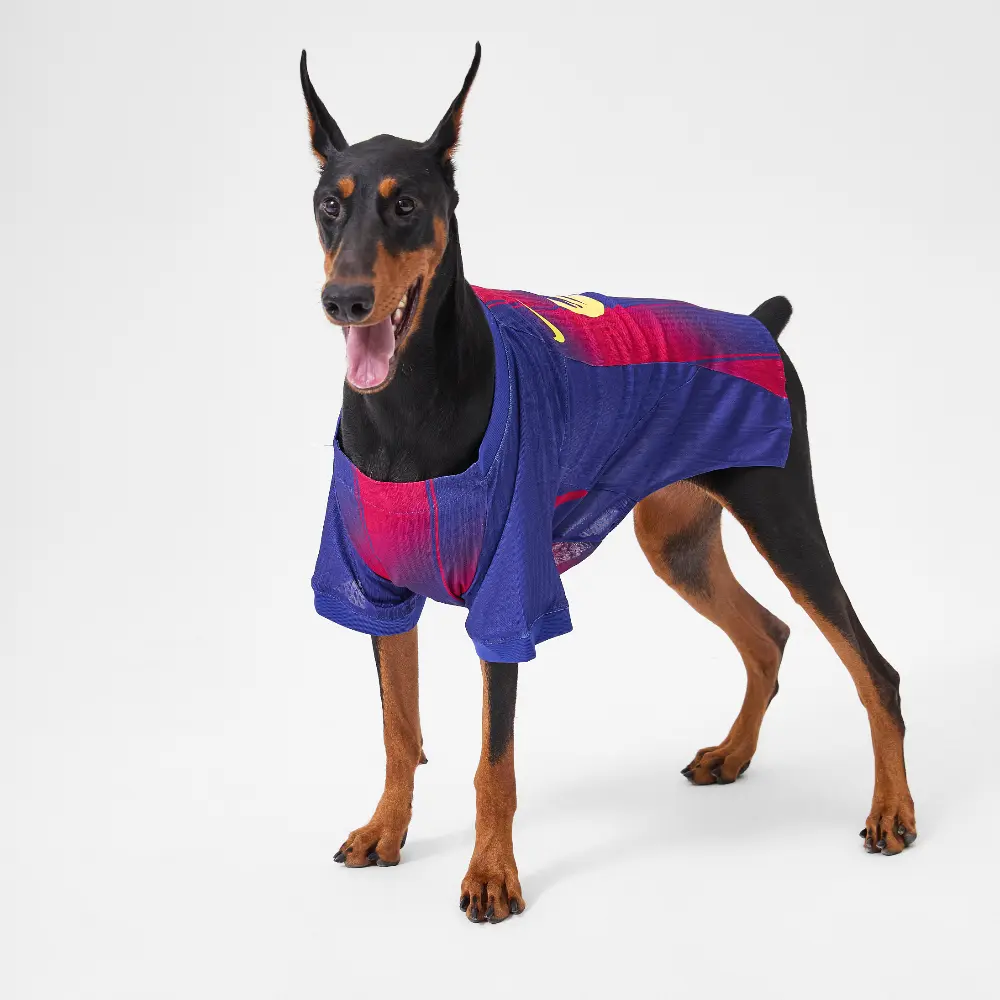
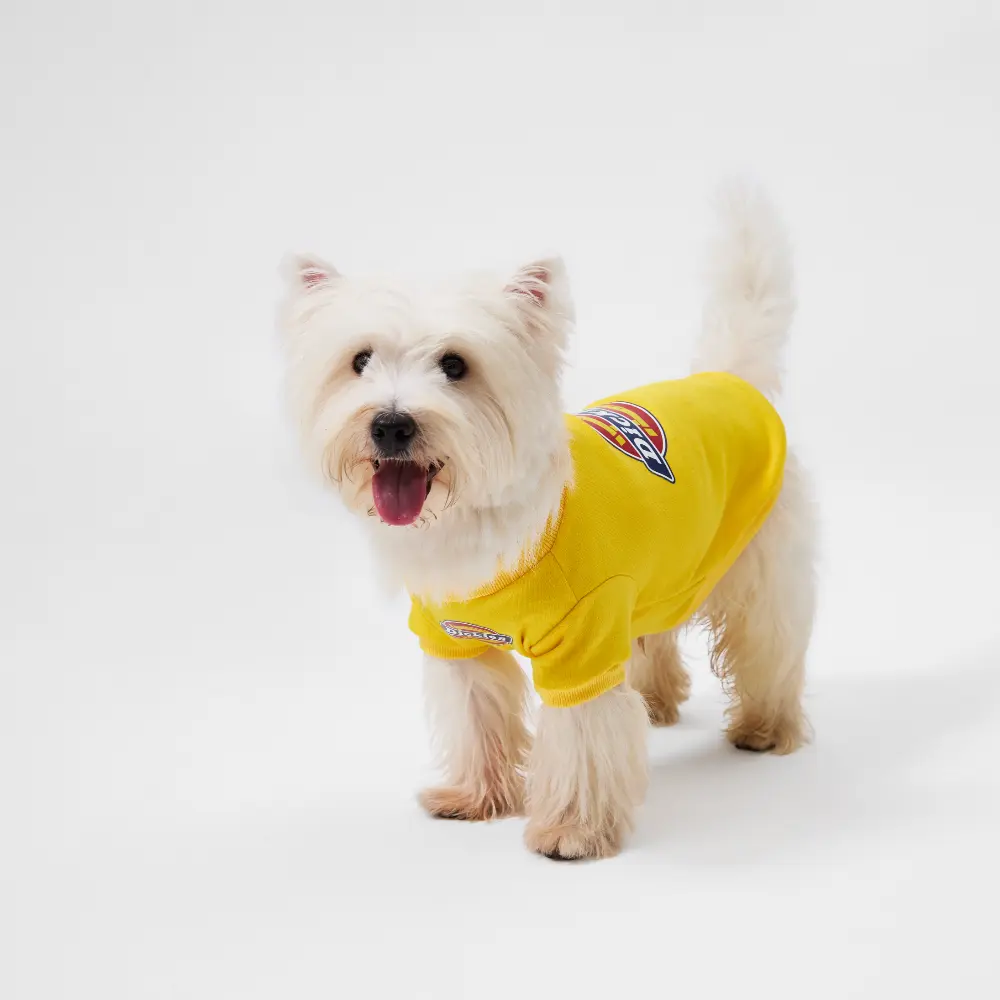
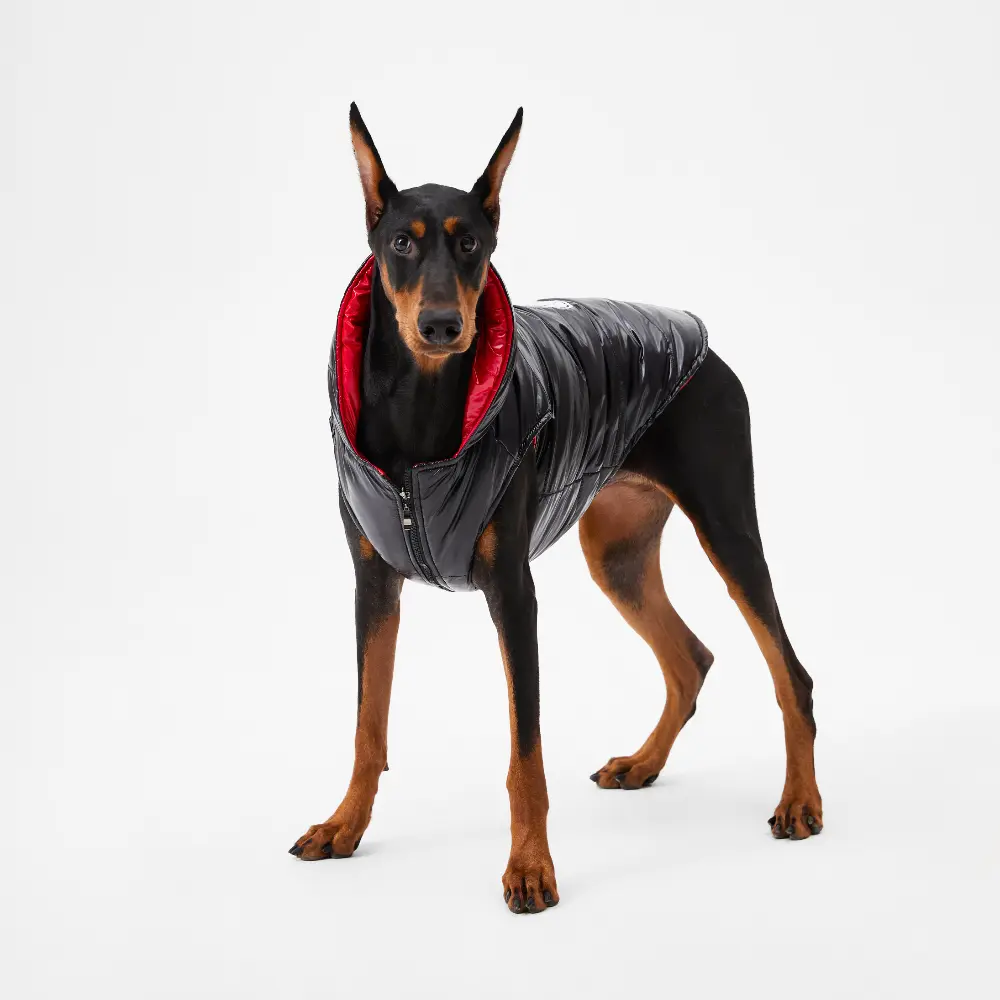
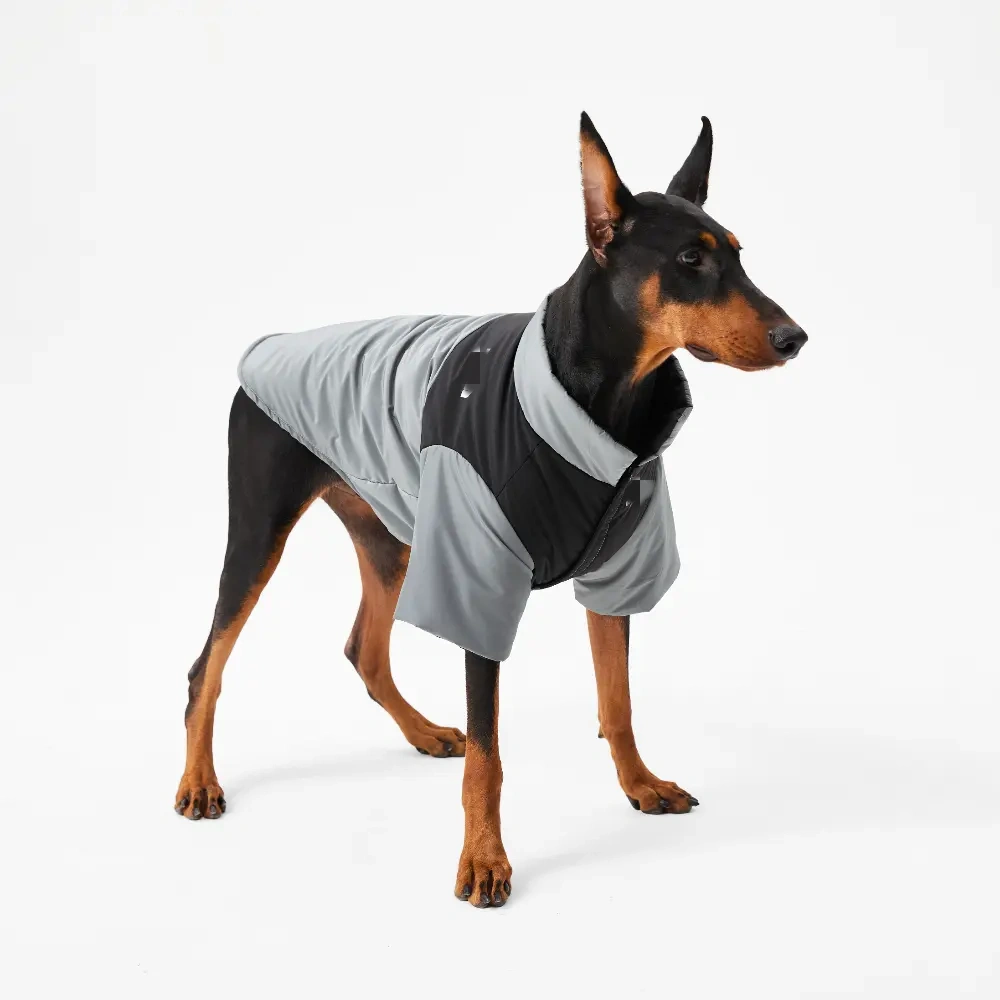
A. Outdoors: Applying the "Three-Layer Principle" to Clothing
The Layering Principle we use for ourselves applies to short-haired dogs, but the focus must be on functionality:
The Windproof Shell:
Principle: Cold wind, through convection, rapidly draws heat away. A windproof outer layer is the first line of defense. It doesn't have to be thick, but it must be an effective barrier against the wind.
Requirement: Look for high-density fabrics or coats with windproof coatings to ensure air does not penetrate the fibers to reach the skin.
The Insulating Fill:
Principle: The insulation material's job is to capture and maintain the heat emitted by the dog's body.
Requirement: Use lightweight, warm fleece liners or high-performance synthetic fills. Remember, insulation must be light and breathable to avoid hindering their movement or causing overheating.
The Coverage of Care:
Critical Zones: A short-haired dog’s chest and abdomen are heat loss hotspots where blood vessels are close to the surface. A truly caring coat must extend from the neck down to the anterior groin, tightly enveloping the chest and belly to reduce direct exposure to cold air and ground contact.
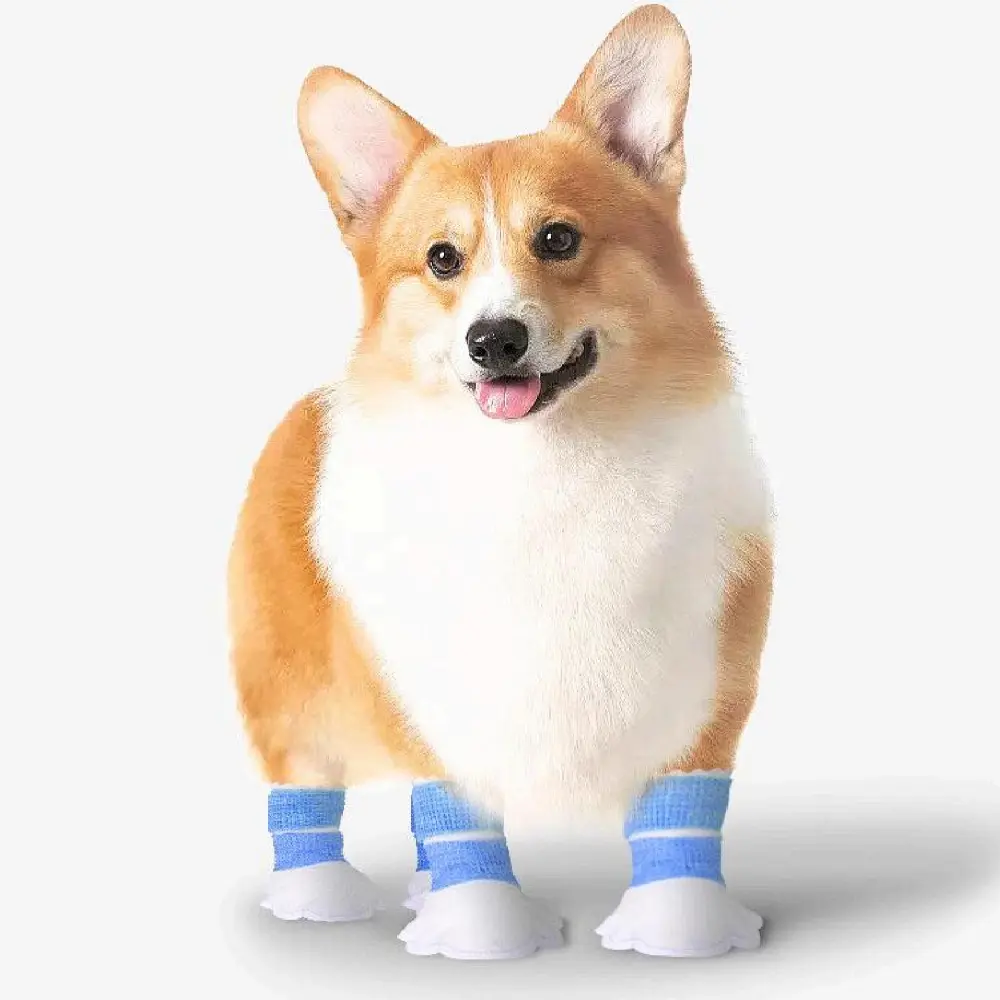
B. Paws: Countering Chemical Corrosion and Frostbite
In the snowy climates of the US and Canada, Road Salt is a far more corrosive threat to paw pads than low temperature alone.
Solution: For outdoor activities, high-top dog boots are essential. They provide insulation while also creating a physical barrier against corrosive road salt solution. If they won't tolerate boots, use a specialized Paw Balm/Wax before going out to form a protective, water-repellent film, and ensure you thoroughly wash their paws with lukewarm water upon returning home.
III. 🏠 Indoors: Creating a Warm Haven
Short-haired dogs spend most of their time indoors, making home environment engineering equally crucial.
Insulate Against Ground Chill: Cold floors (like tile or concrete) will continuously draw heat away from their body through conduction.
Suggestion: Place thick wool blankets in their resting areas, or provide an elevated dog bed to increase the distance between their body and the cold floor. If your dog is elderly or frail, a safe heating pad can be used, but always set it to a low temperature and ensure they can move away freely.
Resting Zone: Ensure their bed is away from cold drafts from doors, windows, or air conditioning vents. A warm, undisturbed corner is the ideal place for them to recover and conserve heat.
Providing warmth to your short-haired companion is compensating for their natural deficiencies, and it is the most practical return for their unconditional trust and affection. This warmth allows them to enjoy every outdoor adventure and indoor rest more comfortably and healthily.